There are times when a situation generates so much interest that other actions can be shielded from scrutiny or ignored by the chattering class or analysts.
Pertaining to Africa, the issue of the month or the main focal point is the situation that dominates most advocacy efforts in Africa is the train wreck that is Nigeria. The instability in the Horn is gathering attention as well. However, the Trump Administration is quietly taking steps to attempt to resolve another long-standing issue in Africa.
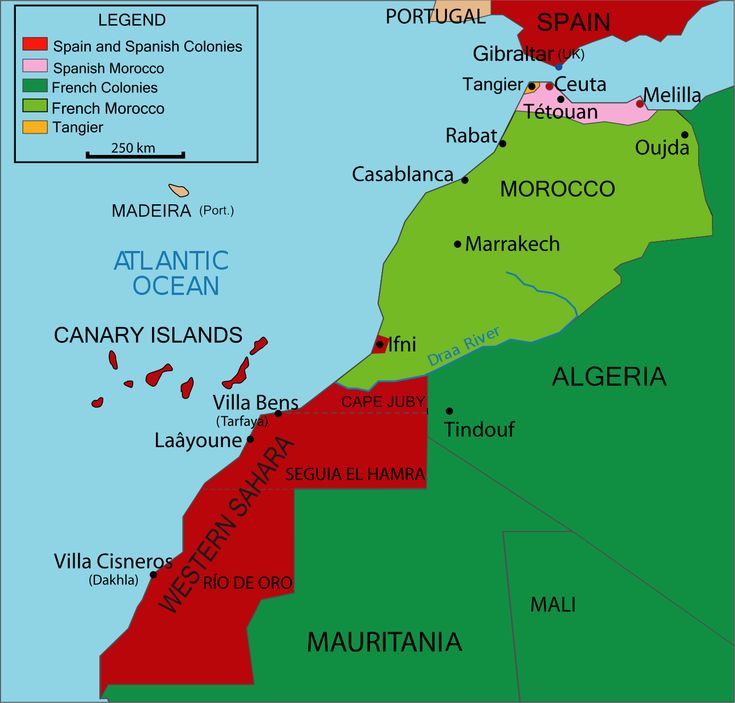
During the last week of February, the Administration hosted a new series of negotiations to resolve the issue of Western Sahara. The region of Western Sahara is a former Spanish Colony that is claimed by both the Kingdom of Morocco and the Polisario Front which is a group that advocates for the independence of the region. Morocco has annexed the region to its territory in two stages first in 1976 and again in 1979. Both actions have been deemed illegal under International Law.
The United Nations currently lists Western Sahara or Rio de Oro as it was known when it was under Spanish rule as a non-decolonized territory and is included in the UN list of non-decolonized territories. The placement on this recognizes Spain as the de jure administrator of the region. Under the terms of international law, the region is under military occupation.
One of the issues that had to be addressed was who was to be invited to this second round of talks? The participants in this round of talks were Morocco, Algeria, Mauritania and the Polisario Front. This was a follow-up meeting to one that was previously held at the U.S. Embassy in Madrid some weeks ago.
Although skeptical of the motives of the Trump Administration a spokesman for the Polisario appreciated the efforts of the Administration to bring these delegations to the table to have these talks after losing faith in the UN process.
This new plan shows a shift in the strategy from Rabat. Instead of having a general autonomy within Morocco this proposal envisions a national referendum involving the entire Moroccan electorate with the integration of the Statute into the Constitution.
The major points of contention refer to the administrative status of the region and questions regarding the identity of the residents. The plan put forward by Morocco calls for the region to be an autonomous part of Morocco consistent with UN Security Council Resolution 2797 which was passed on October 2025.This plan is being pushed by the Trump Administration.
In contrast, Algeria and the Polisario Front reject any plan that does not allow for self-determination for the population.
The Moroccan plan does address the concept of reconciliation and the returning of native populations. This addresses the status of the Tindouf refugee camps and those who currently are housed there. A permanent commission will register those who are allowed to return along with providing a disarmament and demobilization program for those fighters who seek to lay down their arms.
The new plan will also protect the Hassani identity by explicitly recognizing it as a part of Moroccan culture.
The new plan will also resolve any concerns regarding Community Security. Regional security will be limited to local police forces under coordination from national authorities.
Unlike the efforts to end the fighting in the Eastern Congo, The Administration is not taking the approach that has massive PR of look what we are doing. This is an issue that does need to be resolved after being allowed to fester for decades.
This is a case of quiet leadership bringing people to the table without fanfare. Hopefully, it will yield the desired results.